


How to Price Baked Goods for Profit (Cottage Bakery Guide)



How to Start a Cottage Bakery (Step-by-Step for Beginners)


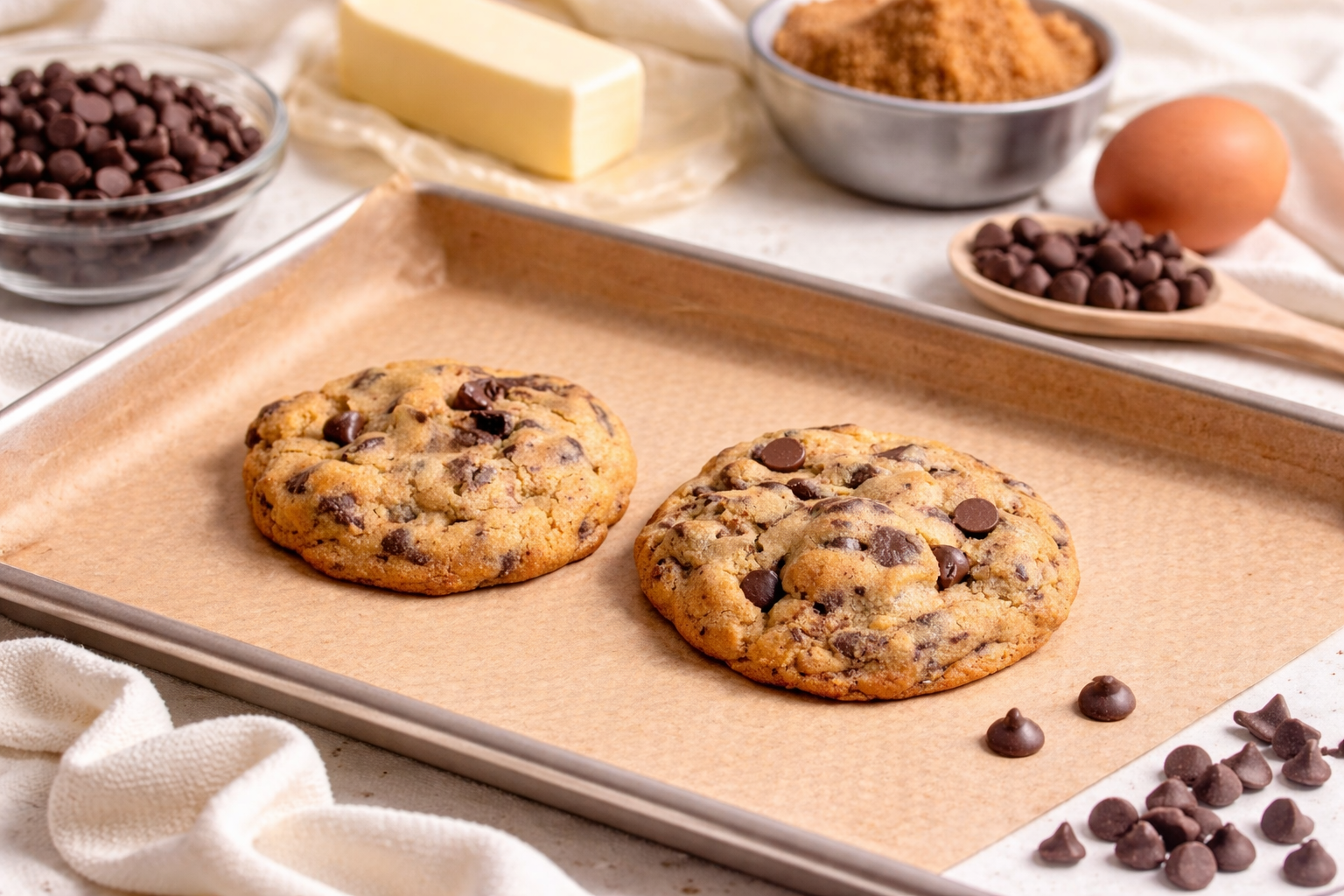
How to Bake Thick Cookies (Bakery Style)
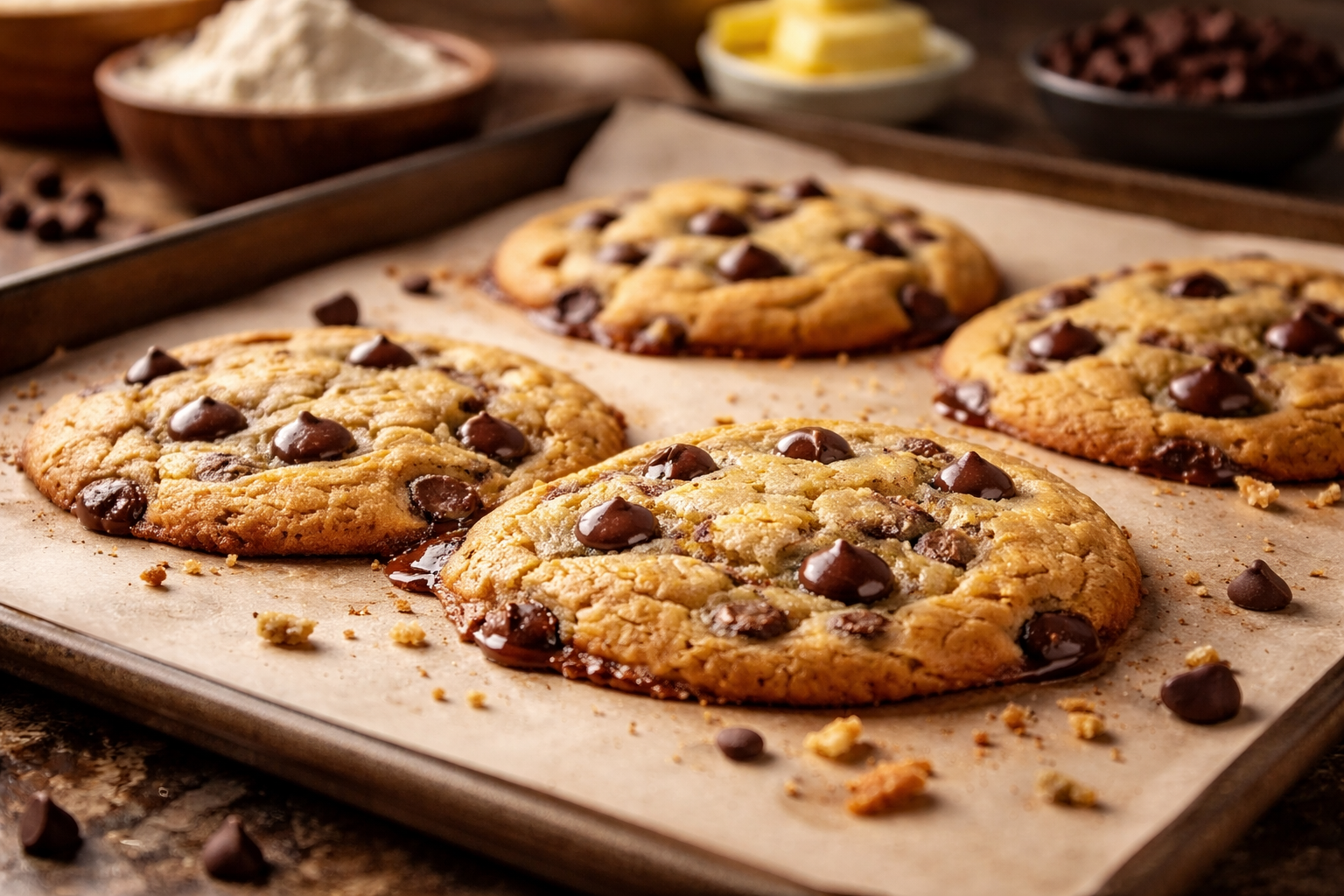
Why Cookies Spread Too Much (And How to Fix It)
Few things are more disappointing than pulling a tray of cookies out of the oven and seeing they have spread out into nothing but thin, flat cookie pancakes instead of thick bakery-style cookies.
You started with a scoop of beautiful dough, but somewhere during baking the cookies spread across the pan and lost their shape.
If this has happened to you, you’re definitely not alone. Cookie spreading is one of the most common baking problems home bakers run into.
The good news is that cookies usually spread for very predictable reasons. Once you understand what causes it, you can control the results much more easily.
In this guide we’ll break down why cookies spread, what causes it, and simple ways to fix it so you can bake thicker, better cookies every time.
The Short Answer: Why Cookies Spread
Cookies spread when the butter melts before the cookie structure sets in the oven.
When this happens, the dough softens too quickly and the cookie flattens out before the flour and eggs can hold it together.
The most common causes are:
• butter that is too soft
• too little flour
• too much sugar
• warm baking sheets
• dough that hasn’t been chilled
The good news is that most spreading issues are easy to fix with a few small adjustments.
Fast Fix Checklist
If your cookies keep spreading, try these quick fixes first:
• use slightly cool butter instead of very soft butter
• chill cookie dough before baking
• measure flour carefully
• bake cookies on cool baking sheets
• avoid over-creaming butter and sugar
Even one of these changes can make a big difference in how your cookies bake.
What Cookie Spread Actually Means
When cookies bake, two important things happen at the same time.
First, the butter begins to melt and the dough softens.
At the same time, the flour and eggs begin forming the structure that holds the cookie together.
If the butter melts too quickly, the dough relaxes and spreads outward before the structure has time to set.
This is why some cookies turn out thin and flat while others stay thick and soft.
Controlling cookie spread is really about balancing those two processes.
Quick Cookie Troubleshooting Chart

The 7 Most Common Reasons Cookies Spread
Let’s look at the most common reasons cookies spread too much and how to fix them.
1. Butter That Is Too Soft
Butter temperature has a huge impact on cookie texture.
If butter is very soft or partially melted before baking, it will melt extremely quickly in the oven. This causes the dough to collapse and spread outward.
How to fix it
Use butter that is slightly cool to the touch rather than very soft.
You can also chill your cookie dough for 30–60 minutes before baking to help slow down the melting process.
2. Too Much Sugar
Sugar melts and liquifies when heated.
When there is too much sugar in the dough, the cookie becomes softer as it bakes and spreads more easily across the pan.
This is why recipes with higher sugar content often produce thinner, crispier cookies.
How to fix it
Follow recipe measurements carefully and avoid adding extra sugar.
Balancing brown sugar and white sugar properly can also help create thicker cookies.
3. Not Enough Flour
Flour provides the structure that holds cookies together.
If there isn’t enough flour in the dough, the cookie will have a hard time maintaining its shape as the butter melts.
How to fix it
Make sure flour is measured correctly.
The best way to measure flour is to:
• spoon flour into the measuring cup
• level it off with a knife
Avoid scooping directly from the bag, which can pack in too much or too little flour.
4. Dough That Is Too Warm
Warm dough spreads much faster in the oven.
If the dough has been sitting out or the kitchen is warm, the butter inside the dough may already be starting to soften.
How to fix it
Chill the dough before baking.
Even 30 minutes in the refrigerator can help the cookies hold their shape better during baking.
5. Baking on Hot Pans
This one surprises a lot of bakers.
If you reuse a baking sheet right after removing a batch of cookies, the pan may still be warm.
When fresh dough is placed on a warm pan, the butter begins melting immediately.
How to fix it
Allow baking sheets to cool completely between batches.
Using multiple baking sheets can make this much easier.
6. Too Much Fat in the Dough
Fat makes cookies tender and flavorful, but too much can weaken the structure.
Excess butter or oil can cause cookies to spread quickly during baking.
How to fix it
Measure butter carefully and follow the recipe ratios closely.
7. Overmixing the Dough
Overmixing can affect the structure of cookie dough.
Mixing too much can break down the dough and create a texture that spreads unevenly.
How to fix it
Mix the dough only until the ingredients are combined.
Once flour is incorporated, stop mixing.
How to Prevent Cookies From Spreading
If you want thick, bakery-style cookies, these tips can help.
• start with slightly cool dough
• chill cookie dough before baking
• measure flour carefully
• bake on cool baking sheets
• use parchment paper for even baking
Small changes like these can dramatically improve cookie texture.
My Favorite Trick for Thick Cookies
One of the easiest ways to create thicker cookies is to use larger dough balls.
Bigger portions take longer to spread, which allows the center of the cookie to stay soft and thick.
This technique is often used by bakeries to create those thick, chewy cookies with soft centers.
Cookie Spread Troubleshooting
If your cookies are spreading, this quick guide may help.
Flat cookies ——> Butter may be too warm or dough not chilled.
Greasy cookies ——> Too much fat in the recipe.
Thin crispy cookies ——> High sugar content or too little flour.
Uneven spreading ——> Baking sheets may be warm.
5 Simple Tips for Better Cookies
• weigh ingredients when possible
• bake one tray at a time
• rotate pans halfway through baking
• use parchment paper for even baking
• allow cookies to cool on the pan before moving them
These small habits can improve cookie results significantly.
Why do my cookies spread even after chilling?
If cookies still spread after chilling, the dough may contain too much sugar or not enough flour.
Can I fix cookies that spread too much?
If cookies spread during baking, you can sometimes reshape them using a round cookie cutter while they are still warm.
Does baking soda affect cookie spread?
Yes. Baking soda helps cookies rise and spread slightly. Too much baking soda can cause excessive spreading.
Why do bakery cookies stay thick?
Many bakeries use chilled dough, larger dough balls, and carefully balanced ingredient ratios to control spreading.

Cookie spread can feel frustrating, especially when you’re hoping for thick, bakery-style cookies.
But the truth is that cookie spreading usually comes down to just a few simple factors like butter temperature, flour measurements, and dough temperature.
Once you understand how these elements affect your dough, it becomes much easier to bake cookies that hold their shape and turn out exactly the way you want.
With a few small adjustments, you’ll be able to turn those flat cookie pancakes into thick, delicious cookies every time. 🍪